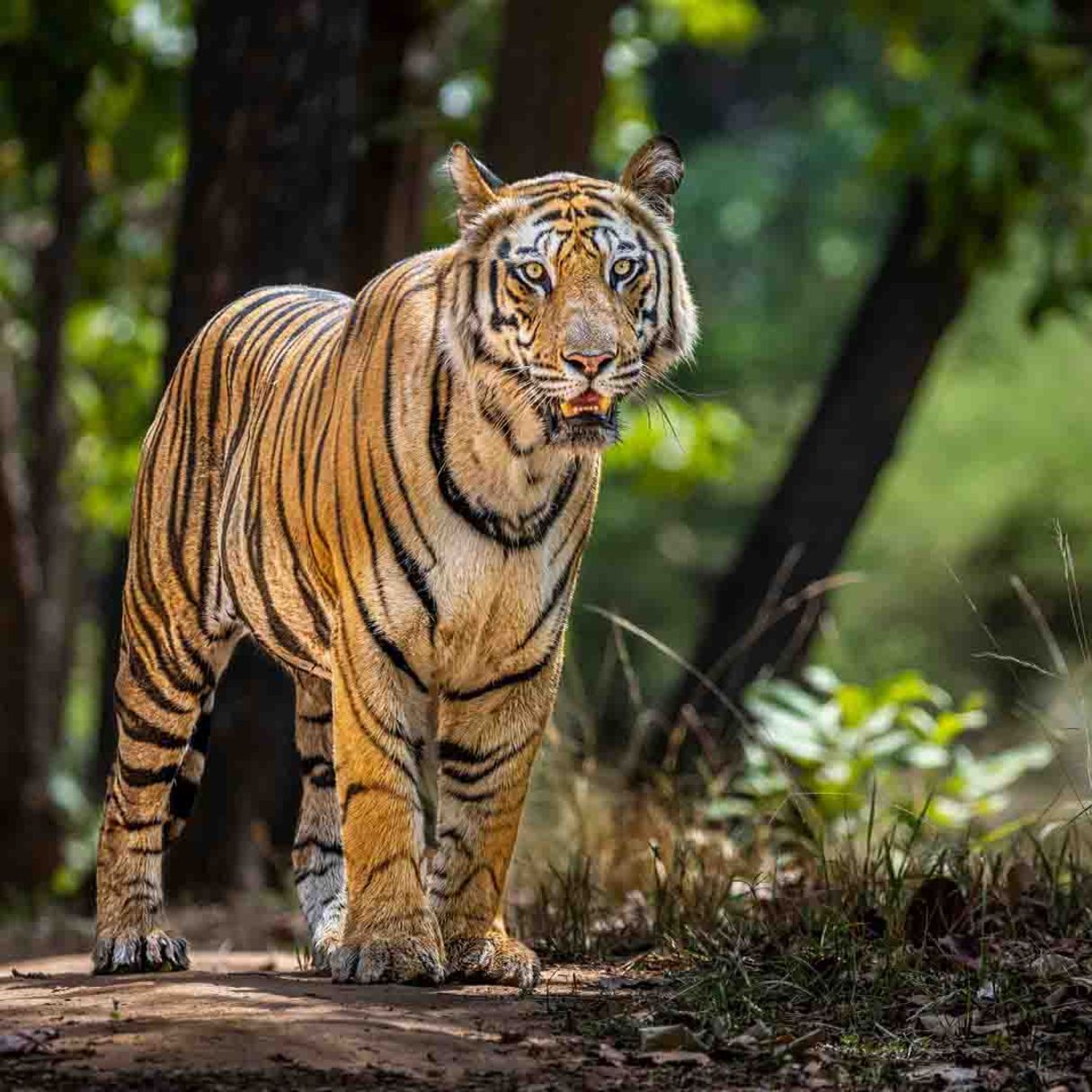
Bandhavgarh’s mixed deciduous forests, dominated by sal and bamboo, offer an excellent habitat for diverse wildlife. This ecosystem is particularly well-known for its tiger population, making it a favoured destination for big cat enthusiasts, wildlife photographers and filmmakers.
The park supports a variety of mammals, including leopards, sloth bears, jungle cats and wild boars. Other commonly sighted species include spotted deer, sambar deer, nilgai, chinkara (Indian antelope), chausingha (four-horned antelope), Indian bison (gaur), langurs, porcupines and mongoose species.
More recently, herds of Asian elephants have migrated into Bandhavgarh, further enhancing its biodiversity.
Full-day permits or special all-access permits, are ideal for professional wildlife photographers and enthusiasts who want uninterrupted access to the park. Unlike regular safaris that require vehicles to exit during mid-day closures, these permits allow entry 15 minutes before and exit 15 minutes after standard safari hours.
Additionally, they grant access to all zones within the park, providing a broader opportunity to track and photograph wildlife. You may take a quick break outside or remain in the park for the entire day. Safari timings vary based on the season and park regulations.
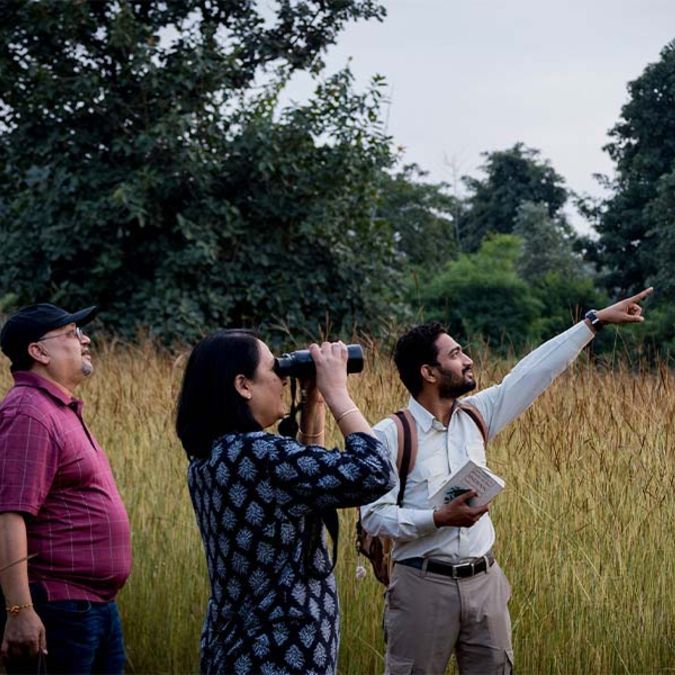
For birdwatchers, Bandhavgarh is home to around 250 avian species. Notable birds include the Asian paradise flycatcher, black-naped monarch, brown fish owl, common rosefinch and various parakeets such as the plum-headed, rose-ringed and Alexandrine parakeets.
The park is divided into three core zones – Tala, Magadhi and Khitauli – spanning a total area of 716 square kilometres. Surrounding these are three buffer zones — Dhamokhar, Johila (Kalwa) and Panpatha (Pachpedi) — which extend across an additional 820 square kilometres.
These zones together create a thriving wildlife sanctuary, offering you a unique opportunity for in-depth exploration through full-day safaris.