
A Forest Made by Hand at Corbett's Edge
Curated & Hosted By
Aahana Resort & Spa
Location
Uttarakhand
India
Duration
4 Days/3 Nights
Price Starts At
$1,208 (Double Occupancy)
About The Journey
Journey Details will be added soon

CURATED & HOSTED BY
Aahana Resort & Spa
Uttarakhand, India
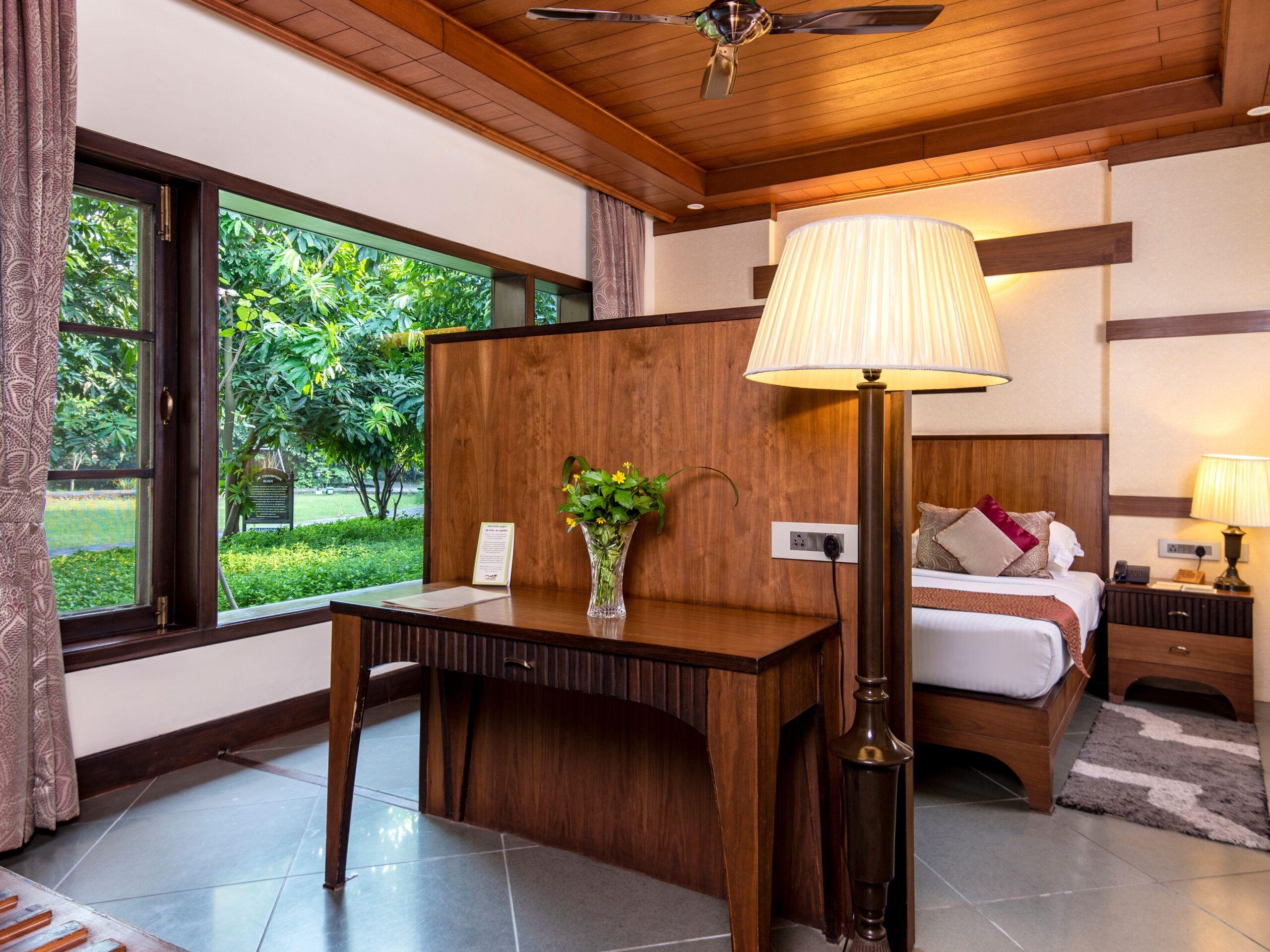
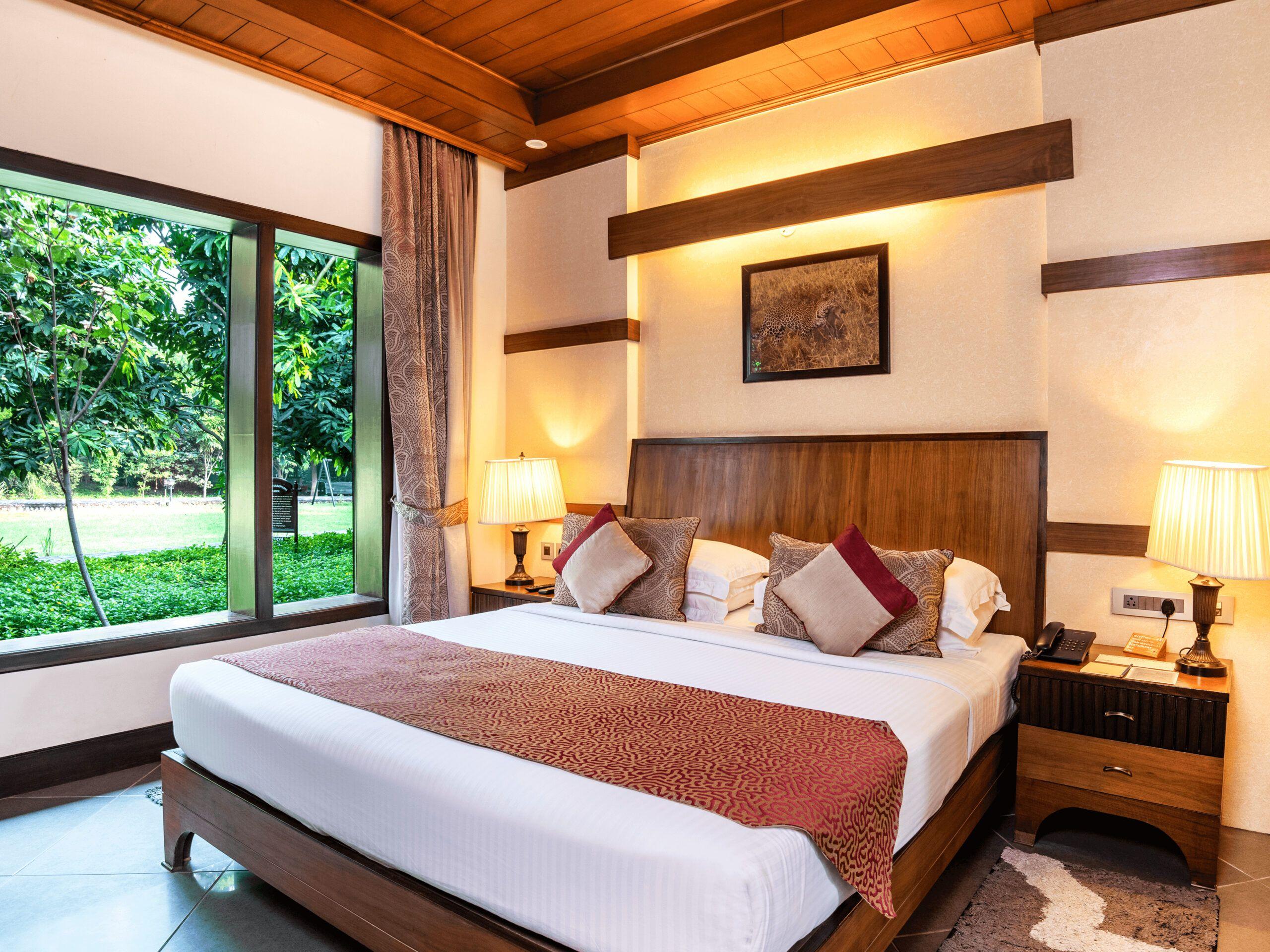
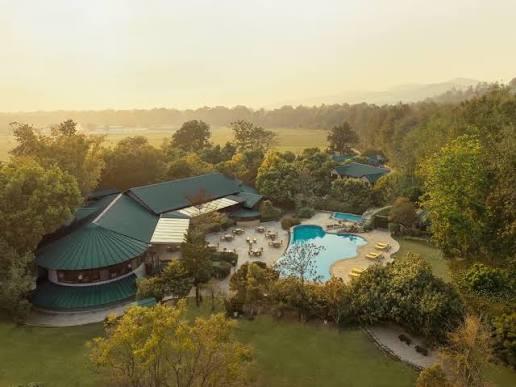
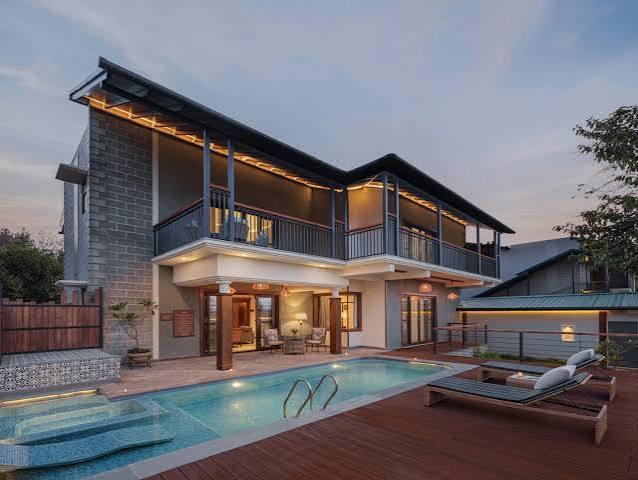
View All
STANDARD PRICE
$1,208
3 Nights / 4 Days, Double occupancy
STARLIFE MEMBER PRICE
$1,050
Save $158 | Members Only
Pricing is based per room with double occupancy and does not include taxes. Rates may vary for higher room categories, seasonal travel periods, and special requests. Group booking benefits and solo traveller discounts are available.
The moments that make
this journey
memorable
STAR PARTNER
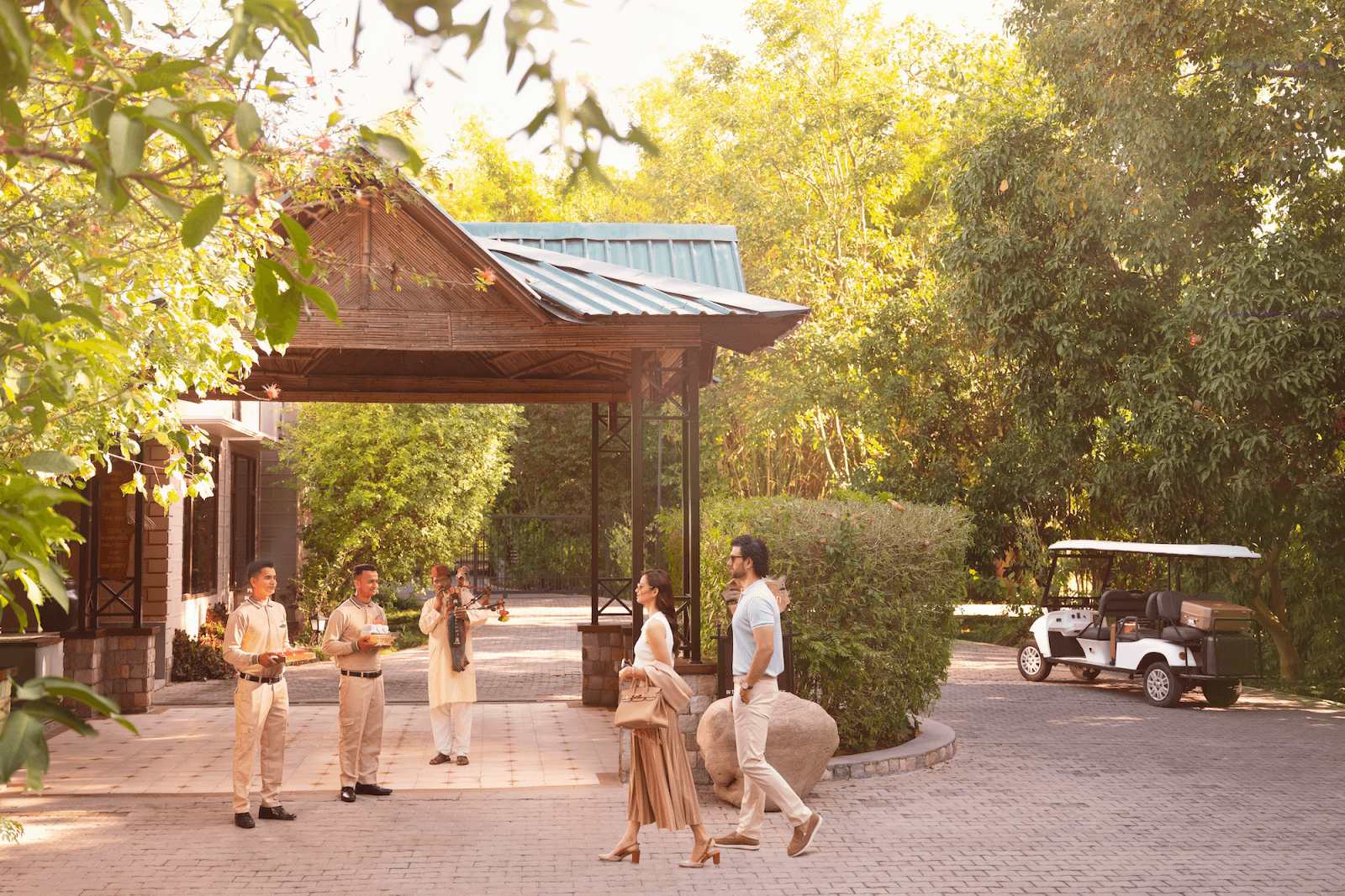
The bagpipe you hear on the drive is Scottish by birth — a Highland instrument with no record in these hills before the army brought it up in the early 1800s, when the regiments that recruit from Kumaon learned to play. It never left. Today it belongs as much to a Kumaoni wedding procession as to a parade, its sound carrying, by design, across whole valleys. Yours plays you in. A cold local drink finds your hand, the forest stands close on every side, and lunch waits at whatever pace you want it. The welcome tells you where you are before anyone explains it: a hill country with a long martial memory, met at its own door.

STAR PARTNER
Uttarakhand, India
Walk the Forest the Family Planted
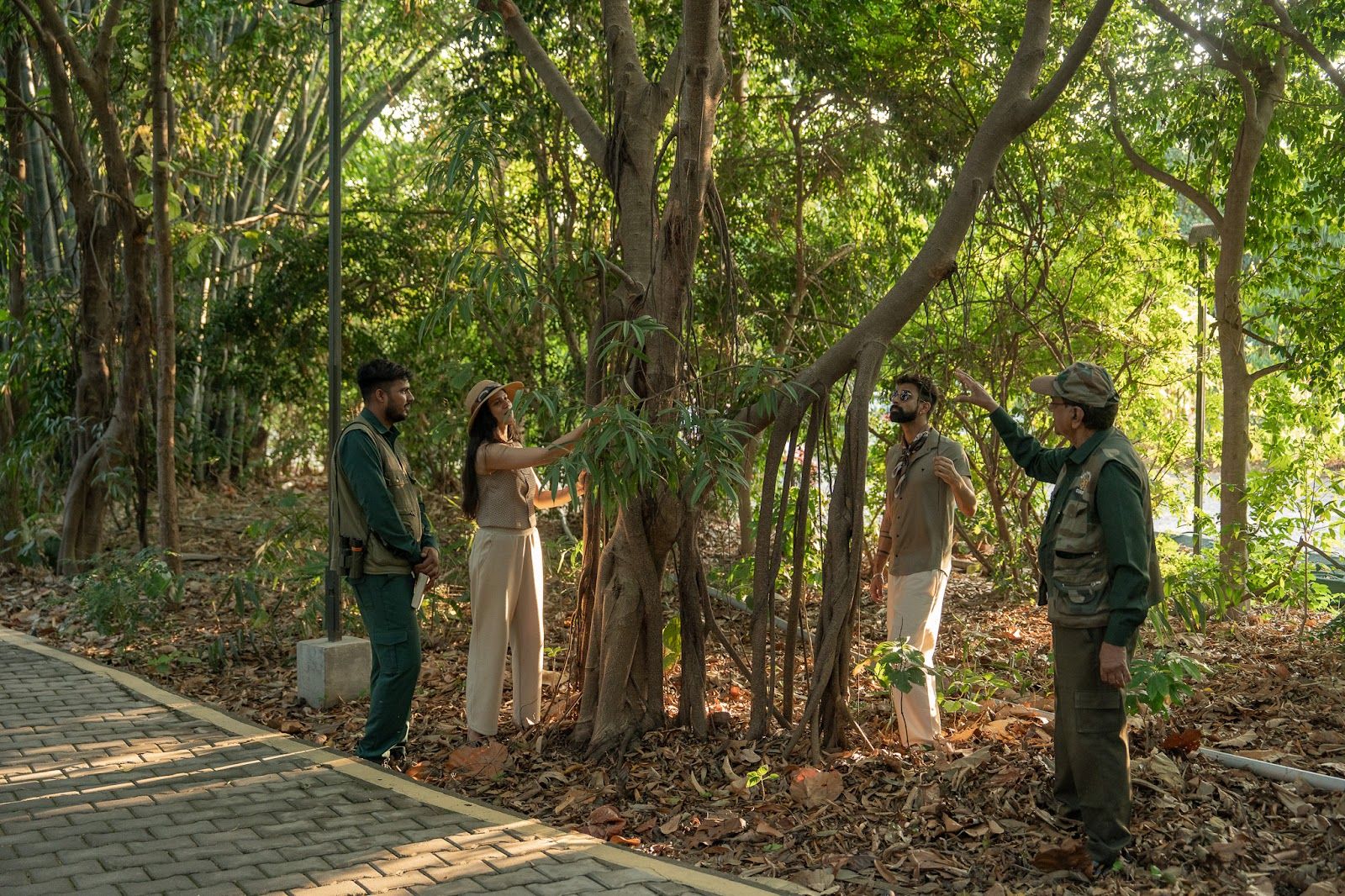
When the Tripathi family took these thirteen and a half acres on the park’s edge, the ground was bare — treeless, silent, nothing in the soil. They planted it back tree by tree until 4,500 stood and some 250 bird species found their way in. You walk it over ninety minutes with the resident naturalist and a member of the grounds team who put much of it in the ground: the oldest trees and the newest, grass left unmown so insects can live in it, lemongrass and citronella set as borders instead of sprays, the Canna beds that clean the water before it returns to the earth. Corbett protected a forest; here, one is still being made.
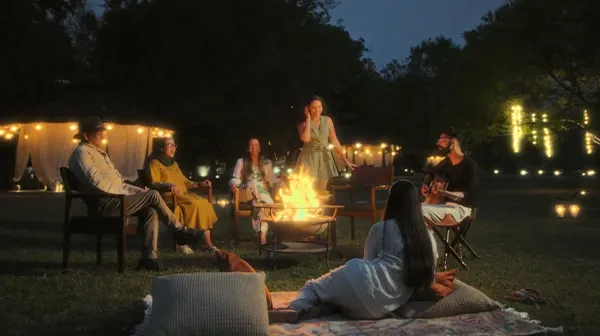
Corbett doesn’t let you pick where you go. The Forest Department carves the park into zones and allots them, so which gate you enter tomorrow is decided for you — and your naturalist’s job is to read the week and apply for the one where things have been moving. That is the conversation over dinner tonight. He tells you the zone you drew, the timings, what has come through that stretch of forest this week, and what to watch and listen for: an alarm call from spotted deer, a langur barking down from the canopy, the signs that a cat is near before you ever see it. A good drive is half made the evening before you take it.
STAR PARTNER
Uttarakhand, India
Drive Into India’s Oldest National Park
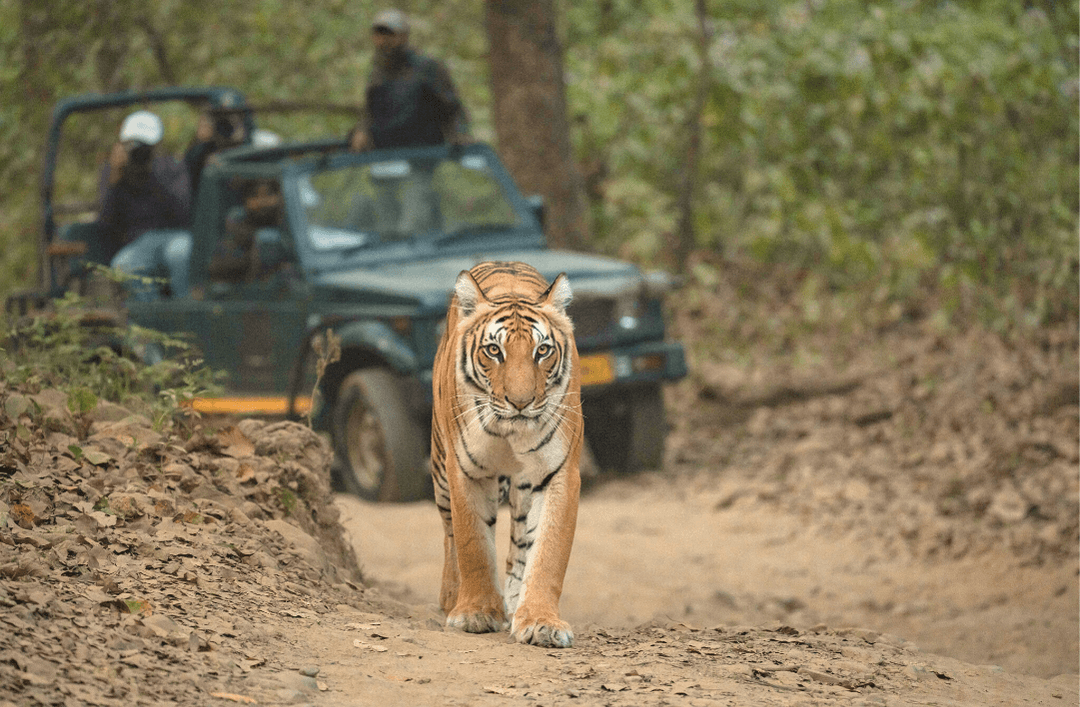
The park was declared in 1936, the first in India, and later took the name of Jim Corbett — the hunter who tracked man-eating tigers through these Kumaon hills before he put down the rifle, picked up a camera, and argued that the forest was worth more alive. In 1973 it became the country’s first tiger reserve. You go in by private jeep at first light with a permit, a driver and your naturalist, who reads the week’s movement to pick the zone: tiger, elephant, gharial on the Ramganga, otter, and more than 600 recorded birds. Sightings draw a crowd of jeeps; a good operator moves on rather than pen an animal in.
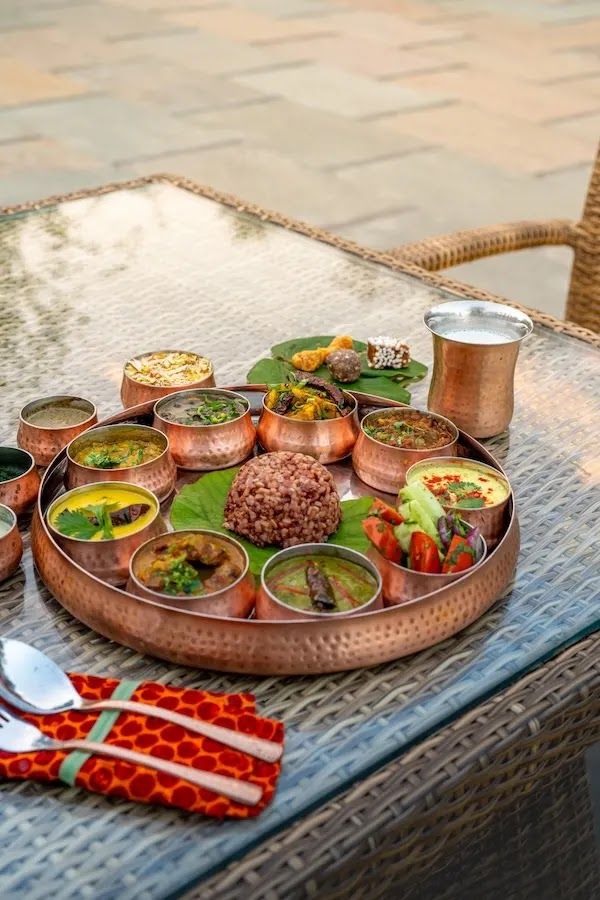
Rice struggles in these hills, so the Kumaoni kitchen was built on what the altitude will grow: madua, the dark finger millet the locals call koda, and bhatt, a black soybean, both hardy enough for thin mountain soil. That’s the plate in front of you — bhatt ki churkani, the soybean simmered dark and thick; aloo ke gutke, potatoes tossed with cumin and dried chilli; madua roti, pressed by hand and eaten with ghee. It is unhurried, cooked the way it is cooked in the village kitchens down the road, not adapted for anyone. Ask the cook what grew where; the answer is usually within a few kilometres.
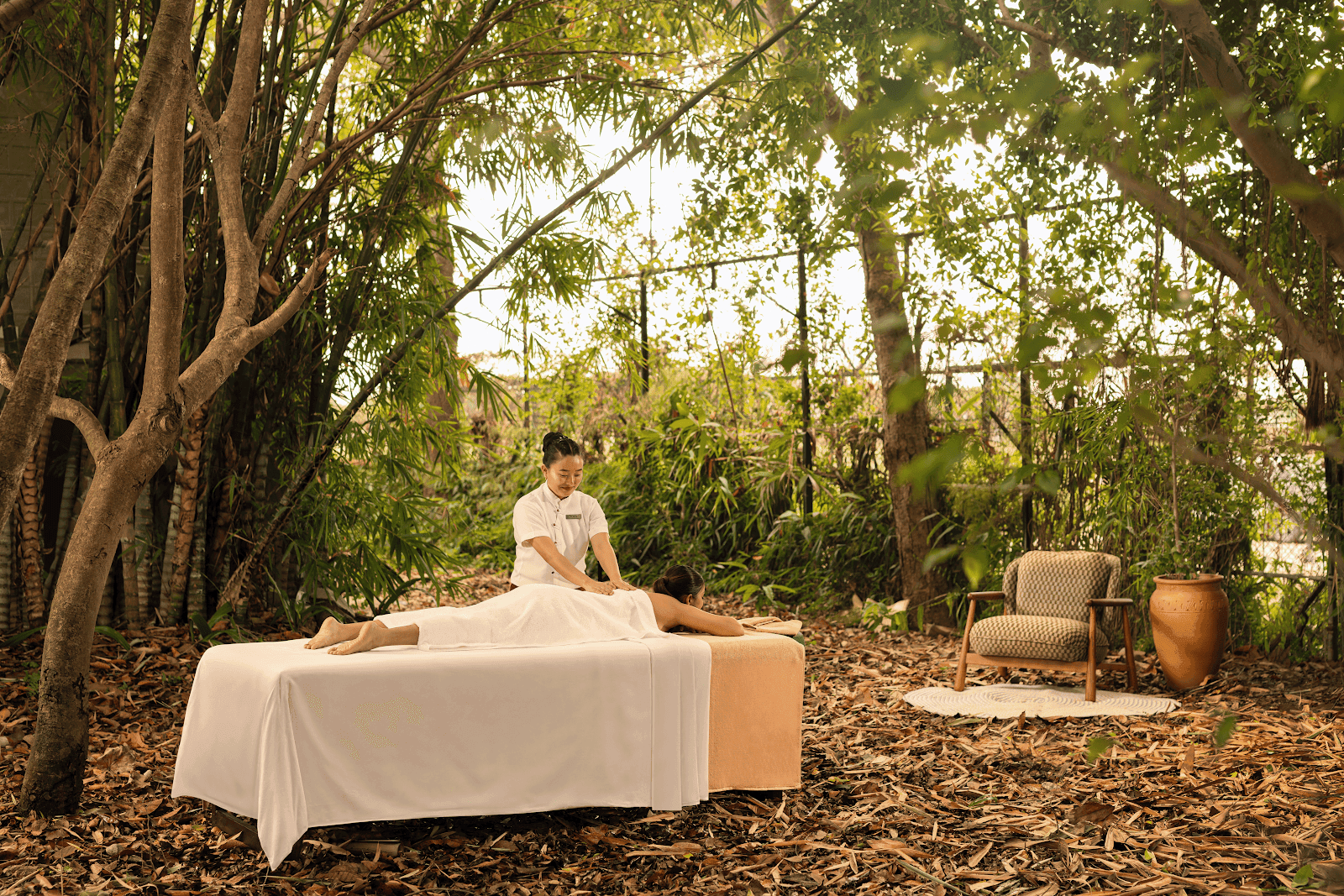
The oils worked into you here trace back to a Provençal market in 1976, where a twenty-three-year-old named Olivier Baussan sold essential oil he had distilled from wild rosemary and lavender — the beginning of L’Occitane, and of the Aromachologie protocol your therapist now follows. The treatment runs sixty minutes, one guest at a time, the blends chosen for what the body has done that day. You come to it after a morning in the jeep or on your feet in the forest, and it does the plain work of taking that out of your shoulders and back. Two plant cultures meet on the table — the herbs of southern France, the forest of the Himalayan foothills just beyond the glass.
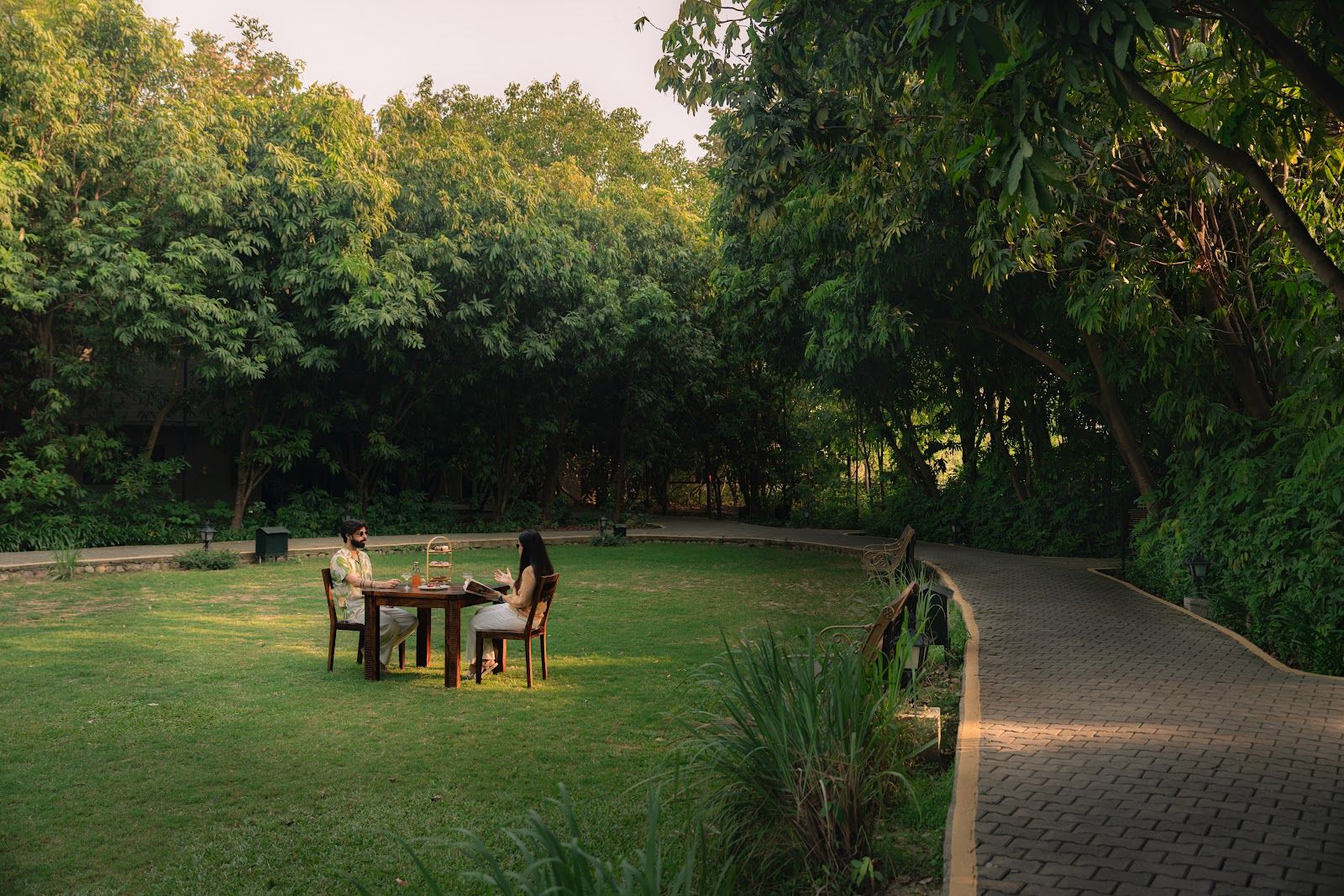
There’s a real changeover in a forest at dusk, and here you get to sit inside it with a drink in your hand. In the last of the light the day shift clocks off — drongos and barbets and bulbuls dropping into the trees to roost, the calling thinning out — and the night shift starts up: the first nightjar, a scops owl testing its note, insects lifting into the warm air. Two of Aahana’s signature cocktails see you through the handover. You are not watching a sunset so much as listening to a forest change its staff, one set of voices handing the hours to another, close enough that you catch the exact moment it turns.
STAR PARTNER
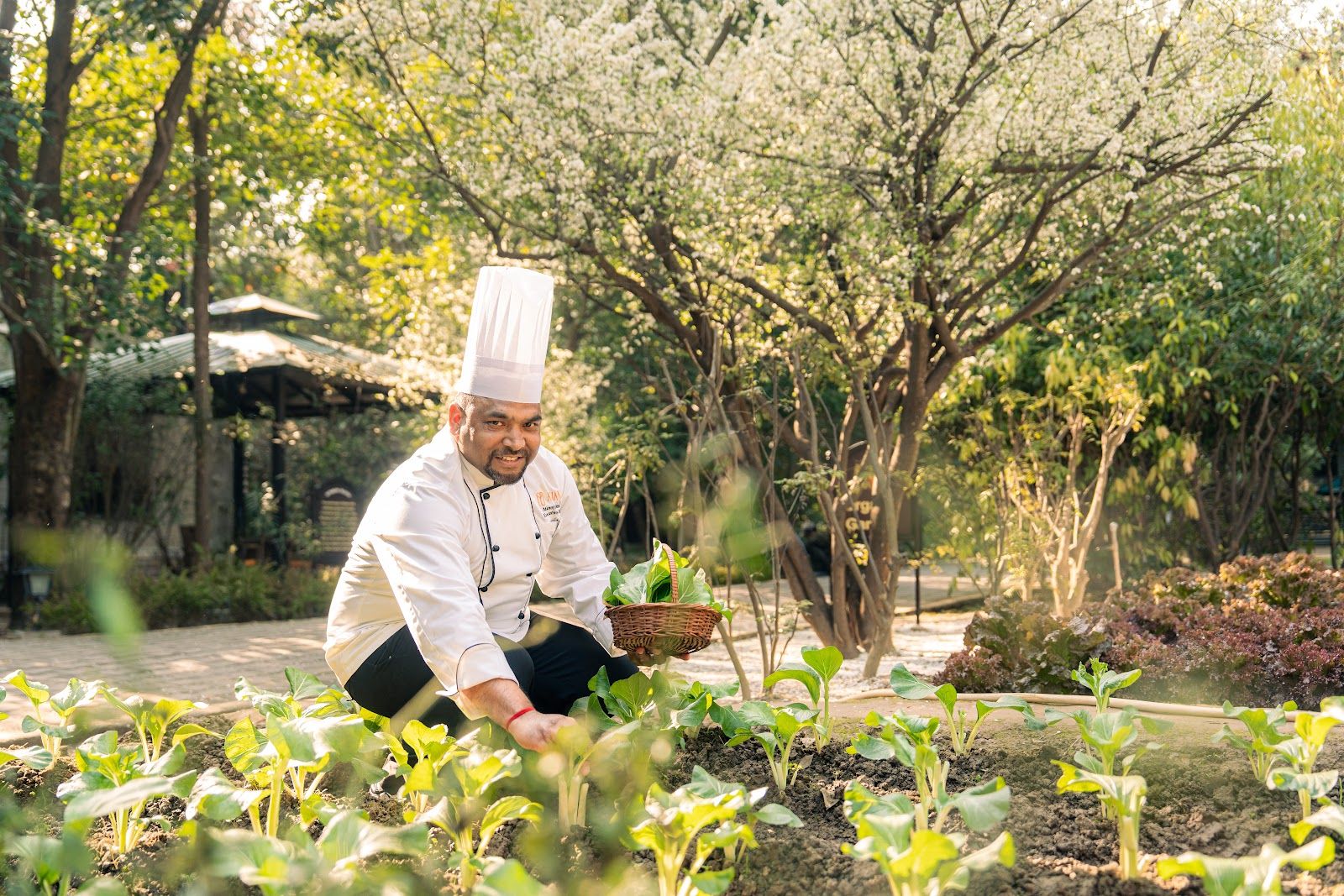
The same soil that grew this forest back — nothing chemical ever turned into it — grows the vegetables you cut this morning, gardener alongside you, before you carry them into the kitchen. Aahana’s Kumaoni cooks then show you a few dishes properly: a jhol, a bhaat, a hill pickle set to keep. You eat what your hands made. What you did not grow arrived from farms within a few kilometres of the gate, and the cooks will tell you exactly whose field each thing came from. It is the shortest a meal’s story gets — soil to plate inside one morning, most of it inside one fence.
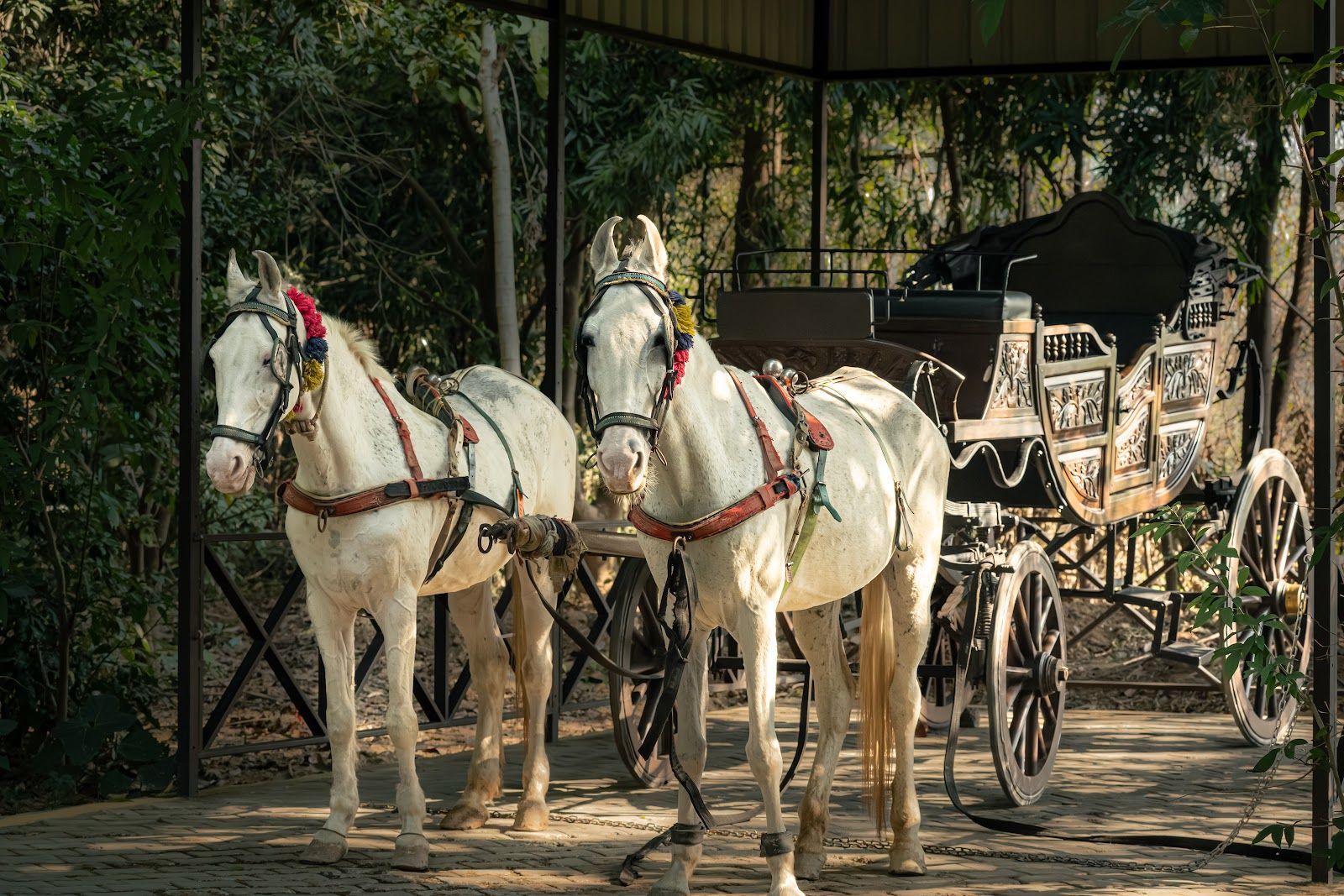
There’s an old name in India for this exact hour: godhuli, the cow-dust light, when the herds come back down the lanes and the day loosens its grip. You take it the oldest way, in a horse-drawn buggy through the Kumaoni village that wraps around Aahana’s forest — timed for dusk on purpose, because this is when the road stops belonging to vehicles and goes back to people. Cattle turn in, kitchen fires catch, doorways fill. You are not looking at a set piece; you are passing through a working village at the one hour it is most itself. The forest you are staying in sits inside this, not apart from it.
Starting Package Price
STANDARD PRICE
$1,208
3 Nights / 4 Days, Double occupancy
EXCLUSIVE STARLIFE MEMBER PRICE
$1,050
Save $158 | Members Only
Pricing is based per room with double occupancy and does not include taxes. Rates may vary for higher room categories, seasonal travel periods, and special requests. Group booking benefits and solo traveller discounts are available.
Inclusions
TBA
Exclusions
TBA
Ready to experience
Aahana Resort & Spa?
QUESTIONS
Frequently
asked
A Postcard Journey is a curated, all-inclusive itinerary hosted by the property itself. Every day is thoughtfully planned — your stay, experiences, and the moments in between — so you can simply arrive and immerse yourself in the destination.
Booking a hotel gives you a room. A Postcard Journey gives you a complete, day-by-day experience crafted by the people who know the destination best — the property's own team. Experiences, meals, and local encounters are woven into one seamless itinerary.
Yes. Dates, room categories, and experiences can be tailored to you. Whether you are celebrating a special occasion, travelling with family, or have dietary or accessibility needs, share them with us in your inquiry and we will shape the journey around you.
Send us an inquiry from this page with your preferred dates and number of guests. Our team, together with the property, will confirm availability and finalise the details with you. There is no payment required at the inquiry stage.
Yes. StarLife members enjoy exclusive member pricing on every Postcard Journey, along with member-only benefits and privileges at our partner properties.
$1,208
(Double Occupancy)
Starlife Rate $1,050